Natural Treatment for Glaucoma: What's Really Behind the "Blueberry Trick" — and What Eye Pressure Actually Does to Your Optic Nerve
If you've been told your eye pressure is high — and that drops are now a daily fact of life, with laser or surgery somewhere down the road — you are not alone. The trending "blueberry trick" is spreading fast among Americans over 55 searching for a natural treatment for glaucoma they can look into at home. It comes from Dr. Ming Wang, a Harvard- and MIT-trained eye surgeon whose natural method is aimed at the eye's own drainage system and the health of the optic nerve rather than at the pressure reading alone. Here's what it is, the biology of why pressure rises in the first place — the trabecular meshwork, aqueous humor outflow and oxidative stress — and, honestly, where the evidence stops.
Key takeaways
- The "blueberry trick" is a trending 30-second morning routine discussed online by people searching for a natural treatment for glaucoma and for alternatives to glaucoma surgery.
- Glaucoma is not a pressure problem — it is an optic nerve problem that pressure drives. Pressure is simply the part medicine can measure and act on.
- Pressure rises when the trabecular meshwork, the eye's drainage filter, stiffens and clogs with age, so aqueous humor backs up faster than it leaves.
- Green leafy vegetables, aerobic exercise, bilberry anthocyanins and ginkgo are the most-studied natural options; the evidence ranges from reasonably good (risk, blood flow) to thin.
- Nothing natural has been shown to cure glaucoma or restore lost visual field, and nothing here replaces prescribed drops, laser or surgery. But glaucoma caught early and managed consistently rarely ends in blindness — and left unmanaged, it often does. Early is where the outcome is decided.
It takes nothing from you at first. That's the cruel part. There is no pain, no blur, no warning. Your side vision narrows so gradually that your brain quietly fills in the gaps, and you keep driving, keep reading, keep living — until a routine exam turns up a pressure reading you didn't expect, or a field test shows a wedge of vision that is simply gone. And then you hear the word: glaucoma.
That moment is exactly why the blueberry trick is spreading so fast. Across Florida, Texas, Arizona, Ohio and California, hundreds of thousands of Americans over 55 — facing a lifetime of $80-a-month drops, stinging eyes, and a surgeon's calendar somewhere on the horizon — are searching for natural remedies for glaucoma and eye pressure. Does any of it work? To judge it honestly, you first have to understand what glaucoma actually is. Almost nobody gets this part right — including, often, the people selling the remedies.
Who is searching for this?
Readers who write to us about this topic usually describe some version of the following:
- They have been given a glaucoma or ocular hypertension diagnosis and told to expect pressure-lowering drops indefinitely
- Their side vision feels narrower — a sense of looking down a hallway, or missing things at the edges
- They notice rainbow halos around lights, or a dull ache above the brow
- Their drops sting, redden or irritate the eyes, and they've started forgetting doses
- They want to understand the natural treatment for glaucoma options — and whether alternatives to glaucoma surgery genuinely exist
- They are asking whether there is a natural cure for glaucoma, or whether drops and surgery really are the whole story
What is the "blueberry trick" for glaucoma?
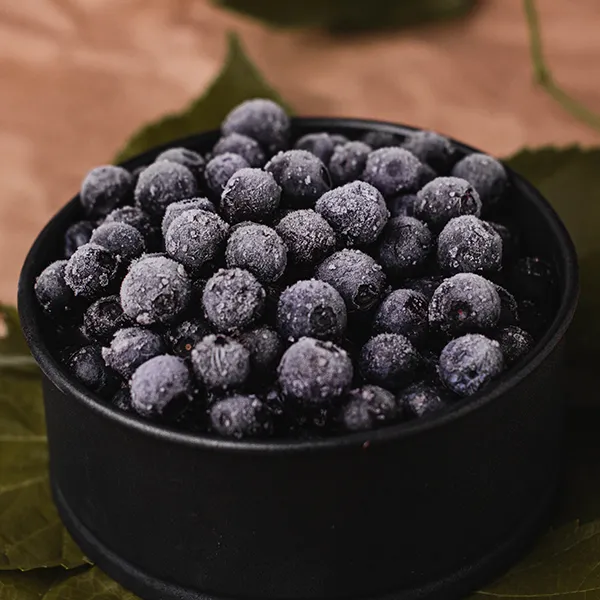
The blueberry trick is simple: a 30-second morning routine built around a specific variety of wild Nordic berry, preserved by freezing rather than heat-drying. Supporters say the cold preservation keeps the berry's anthocyanins intact — the deep-blue antioxidant pigments that standard drying is known to degrade — and that taking them daily supports ocular blood flow and the eye's own antioxidant defenses. The routine was popularized in the United States through a video presentation by Dr. Ming Wang, and spread from there.
Here is where most write-ups get it wrong: they name the fruit and stop there. And the fruit is the part people get wrong — it is not the blueberry you are picturing. The variety and the preservation method matter more than the berry itself, and the ordinary supermarket blueberry is not the one being discussed. That distinction, along with the other two compounds in the routine, is covered in the presentation itself; we've linked it below. First, though, look at what actually happens inside a glaucomatous eye — because without that, none of it makes sense.
Dr. Wang's natural method: what it actually targets
The presentation behind the trend is given by Dr. Ming Wang, MD, PhD — an ophthalmologist trained at Harvard and MIT, author of the memoir From Darkness to Sight, and the subject of the 2024 feature film Sight, which dramatized his journey from poverty in China to eye surgery in the United States.
What separates Dr. Wang's natural method from the usual advice is where it aims. He is blunt about the state of conventional care — in his own words, treatments for conditions like macular degeneration or glaucoma "really rely upon slowing progression and treating symptoms," with early diagnosis and clinical management to keep the condition from worsening. That is an accurate description of glaucoma care, and it is not a criticism of it: slowing progression is genuinely the goal, and drops and surgery do it well.
His argument is about what sits underneath the pressure reading — the condition of the drainage tissue itself, ocular blood flow, and the oxidative and metabolic environment the optic nerve lives in. That is the premise of the natural method he presents: not a replacement for pressure-lowering treatment, but an attempt to support the tissue doing the draining and the nerve doing the seeing. His latest research on those factors, and the full walkthrough of the routine, are covered in the presentation linked below.
Why eye pressure rises: the trabecular meshwork and aqueous outflow
Here's the part most people are never told. Your eye is not a sealed ball — it is a system with a tap and a drain. A structure called the ciliary body continuously produces aqueous humor, the clear fluid that nourishes the front of the eye. That fluid has to leave at the same rate it arrives, and it leaves through a microscopic sieve in the angle of the eye called the trabecular meshwork, then out through Schlemm's canal.
The tap almost never fails. The drain does. Over decades the meshwork loses cells, stiffens, and accumulates extracellular material between its beams — the tissue becomes a clogged filter. Outflow resistance climbs, fluid backs up, and intraocular pressure rises. Researchers have repeatedly linked this to oxidative stress in the meshwork, and people with open-angle glaucoma tend to show lower levels of glutathione, the eye's own antioxidant, than age-matched controls.
Then comes the damage that actually matters. That pressure bears on the lamina cribrosa, the sieve-like plate where a million or so nerve fibers exit the back of the eye. Under sustained mechanical stress, transport along those fibers stalls, they starve, and they die. The fibers serving your peripheral vision go first, one at a time, painlessly — which is precisely why glaucoma is called the silent thief of sight, and why so much is already lost by the time anyone notices.
Glaucoma is not a pressure disease. It is an optic nerve disease that pressure drives. Pressure is simply the only lever medicine has found that reliably slows it — which is why every drop, laser and surgery targets that one number. But retinal ganglion cells do not regenerate. Vision you have already lost does not come back, from any treatment, natural or otherwise. Everything worth doing is about the fibers you still have — which raises the obvious question, and the whole reason the blueberry trick took off: can nutrition do anything for the drain, the blood flow, or the nerve?
Is there a natural cure for glaucoma — and can it be reversed without surgery?
This is the question behind almost every search that brings people here — is there a natural cure for glaucoma? Here is the honest answer, and it has two halves.
For advanced, late-stage glaucoma: no. Not naturally, and not surgically either. Dead nerve fibers do not regrow, and no supplement, diet, drop or operation restores a visual field that is already gone. Anyone who tells you a capsule brings back peripheral vision is overselling something — and stopping a treatment your doctor prescribed can cost you the sight you still have, permanently and within months.
For early or moderate glaucoma: this is where the entire outcome is decided. Outflow resistance, ocular blood flow and oxidative load are ongoing, modifiable processes, not finished events — and processes can potentially be influenced. This is where the research on diet, exercise, nitrates and neuroprotection lives, and it is why so many people search for how to lower eye pressure naturally. The distinction that matters is between protecting what remains and recovering what's gone. The honest evidence sits entirely in the first category — and caught in this window, with treatment followed properly, most people keep their sight for life. Left to advance, many do not. That gap is not decided in the operating room. It is decided now, in how seriously the early years are taken.
Which raises the only question that really matters for you personally: how much peripheral field have you already lost — and how fast is it moving? That question is for your ophthalmologist and a visual field test to answer definitively. But the symptom pattern is worth knowing before you walk into that appointment.
The presentation opens with a short self-check — seven questions about the signs that tend to show up when the optic nerve is already under strain, including the side-vision changes most people dismiss as age. It takes about a minute, and it's the part readers write in about most. It is not a diagnosis, but it will tell you what to ask your ophthalmologist.
See the 7-question eye check → Sponsored presentation · free to watchHow to keep glaucoma from getting worse
"How do I stop my glaucoma from getting worse?" is one of the most common questions people ask after a diagnosis — and it is a far better question than "how to cure glaucoma naturally," because it is the one with real answers behind it.
To slow glaucoma progression, the intervention with overwhelming evidence behind it is unglamorous: take your prescribed drops, every day, on time. Adherence is the single largest modifiable factor in whether someone keeps their sight, and roughly half of patients drift off schedule within a year. After that, the supporting levers are real but smaller — regular aerobic exercise (moderately lowers pressure), a diet genuinely rich in green leafy vegetables, treating sleep apnea if you have it, avoiding prolonged head-down positions that spike pressure, and keeping blood pressure from dipping too low overnight.
This is also the honest version of "surgery isn't the only way." For advancing glaucoma, pressure-lowering treatment is the way. But it is not the only thing you can do — and what you do around it is part of what decides how much field you are still reading with in fifteen years.
Natural remedies for glaucoma and eye pressure that people actually use
Most routines are built around a handful of studied compounds, each tied to one of the mechanisms above:
Anthocyanins (wild bilberry and Nordic blueberry) — the star of the blueberry trick, and the reason people search for bilberry for eyes and blueberry for vision in the first place. These are the pigments credited with the RAF night-vision folklore of the 1940s. Studied for microcirculation and ocular blood flow, with a small Japanese trial on visual field in normal-tension glaucoma; real chemistry, genuinely limited human data. Dietary nitrates from green leafy vegetables — the best-evidenced of the group, and the most overlooked: a large Harvard cohort found the highest intake associated with a meaningfully lower rate of open-angle glaucoma, plausibly through nitric-oxide signaling in the outflow pathway. Ginkgo biloba — studied specifically for ocular blood flow in normal-tension glaucoma, with small trials suggesting visual field effects; promising and unresolved. Lutein and zeaxanthin — the carotenoids the eye concentrates, formally studied by the National Eye Institute; best evidenced for the retina generally rather than for glaucoma specifically. Astaxanthin — a marine carotenoid studied for mitochondrial protection; relevant in principle, because ganglion cell axons are among the most energy-hungry tissue in the body, but the glaucoma-specific literature is thin.
One other category comes up constantly in searches: "drainage" or "detox" supplements. Most are variations on the compounds above, and the sensible way to judge one is by whether it contains meaningful doses of what has actually been studied, not by the promise on the label. As for a home remedy for glaucoma — there is no verified kitchen recipe that opens the trabecular meshwork, and anything sold on that promise deserves scepticism.
"Studied in a lab" is not the same as "proven to protect your sight." Supporting ocular blood flow is not the same as lowering pressure to a target — and "natural" does not automatically mean effective, or safe alongside what you are already taking.
Alternatives to glaucoma surgery: what drops and operations actually do
Pressure-lowering treatment is one of the genuine successes of modern medicine: it is the reason most people diagnosed today will die with their sight rather than without it, and no article should talk you out of a treatment your doctor has recommended. But patients deserve the full picture: drops are a daily, usually lifelong commitment, commonly cause stinging, redness and dry eye, and out-of-pocket costs for laser or surgical procedures commonly run $2,500 to $6,000 per eye. Trabeculectomy can need revision, and even a perfect surgical result only buys a lower number — it does not repair the nerve.
None of that makes any of it wrong. It makes the whole picture a conversation to have with your ophthalmologist — and one worth walking into informed. What none of these treatments claims to do is restore lost field or fix the drainage tissue itself, and that gap is the entire reason people go looking for something else.
What readers are telling us
"The field test was what scared me. I had no idea I'd lost anything at all — I felt completely normal. I started looking into the morning routine because I wanted something I could actually do between appointments."
"My drops sting so much I'd started skipping them, which I know is the worst thing I could do. Nobody told me there was anything else I could be doing alongside them. That's what I was looking for."
"I'm 68 and I read my Bible every morning. When my ophthalmologist said the word glaucoma, all I could think about was whether I'd still be reading it at 80."
Reader messages, edited for length and published with permission; names shortened at the writers' request. These describe why people started searching — they are not reports of results, and no outcome should be inferred from them.
So — does it actually work?
The mechanism is real: outflow resistance, oxidative stress in the meshwork, ocular blood flow and ganglion cell metabolism genuinely shape how glaucoma progresses, and diet and antioxidant status genuinely influence some of them. The unglamorous levers are the best-supported ones — taking your drops exactly as prescribed, regular aerobic exercise, green leafy vegetables, treating sleep apnea, and never missing a field test. What no natural method can honestly claim is to lower pressure to a clinical target, replace a prescribed treatment, or bring back vision that is gone. Talk to your eye doctor before adding any supplement — ginkgo interacts with blood thinners, for example — and never postpone or discontinue treatment your doctor has recommended.
Common questions about natural treatment for glaucoma
Can glaucoma be cured naturally without surgery?
No. Glaucoma has no cure — natural or surgical — and vision already lost to it cannot be restored by any means currently known. What treatment does, including every drop and every operation, is slow the loss by lowering pressure. Natural approaches are studied as support for ocular blood flow, outflow tissue and nerve metabolism, alongside prescribed treatment and never in place of it.
Is there a natural cure for glaucoma?
No natural cure for glaucoma has been demonstrated, and any product claiming one is overstating. What the research does support is acting on the factors around it: dietary nitrates from green leafy vegetables, aerobic exercise, ocular blood flow, and the oxidative load on the trabecular meshwork. That distinction — supporting the system rather than curing the disease — is the whole basis of Dr. Wang's natural method.
How do you lower eye pressure naturally?
The measures with genuine support are regular aerobic exercise, which modestly lowers intraocular pressure; a diet rich in green leafy vegetables; treating sleep apnea; avoiding prolonged head-down positions and tight neckwear; and moderating caffeine if you are already predisposed. None of these reliably reaches the pressure target a prescribed drop achieves, which is why they complement treatment rather than replace it.
What are the best natural remedies for glaucoma and eye pressure?
The most-studied are dietary nitrates from green leafy vegetables, ginkgo biloba for ocular blood flow in normal-tension glaucoma, anthocyanins from wild bilberry, and the carotenoids lutein and zeaxanthin. Judge any glaucoma supplement by whether it contains meaningful doses of what has actually been studied. Talk to your eye doctor first — especially if you take blood thinners.
Can I stop my glaucoma eye drops if I use a natural remedy?
No. Stopping prescribed pressure-lowering drops is the single fastest way to lose vision to glaucoma, and the loss is permanent. Any natural routine should be discussed with your ophthalmologist and used alongside your prescribed treatment, never as a substitute for it.
What is the best natural treatment for glaucoma?
There is no single best one, and none is a proven treatment for the disease itself. The best-evidenced dietary factor is high intake of green leafy vegetables, studied in large population cohorts. Anthocyanins from wild bilberry and Nordic blueberry are the compounds behind the trending blueberry trick, ginkgo has the most glaucoma-specific blood-flow research, and results vary from person to person.
Are there real alternatives to glaucoma surgery?
For pressure that cannot be controlled with drops or laser, surgery is the established option and there is no natural equivalent. Earlier in the course, the practical alternatives are medical rather than natural: different drop classes, or selective laser trabeculoplasty, which is often offered before surgery. Lifestyle and nutritional measures sit alongside those choices, not instead of them — discuss the sequence with your ophthalmologist.
How do I know if my glaucoma is still early?
You usually cannot tell on your own — that is what makes it dangerous. Early open-angle glaucoma is typically symptom-free, and noticeable side-vision loss means substantial damage has already occurred. Warning signs worth reporting include narrowing peripheral vision, rainbow halos around lights, brow ache, and difficulty adjusting to dark rooms. Only a visual field test and optic nerve imaging can stage it.
What is the blueberry trick for glaucoma?
It is a 30-second morning routine built around cryogenically frozen wild Nordic berries, whose anthocyanin content is preserved by cold rather than degraded by heat-drying. It is discussed online as a way to support ocular circulation and the eye's antioxidant defenses. It has not been evaluated by the FDA and is not a treatment for any disease.
Before your next appointment, it costs nothing to understand what you're actually working with. The full walkthrough was recorded as a free presentation. It covers:
- The 7-question self-check on the signs that show up when the optic nerve is already under strain
- Which berry variety — and why freezing, not drying, is the part that matters
- The two other compounds in the routine, and what each one is aimed at
- How the 30-second morning routine is actually taken
- Why Dr. Wang says standard glaucoma care aims at slowing progression — and what he argues is missing from it
Sponsored presentation. Individual results vary. Not a substitute for professional medical care, and not a reason to change or stop prescribed treatment.